


Valentyn Havryliuk
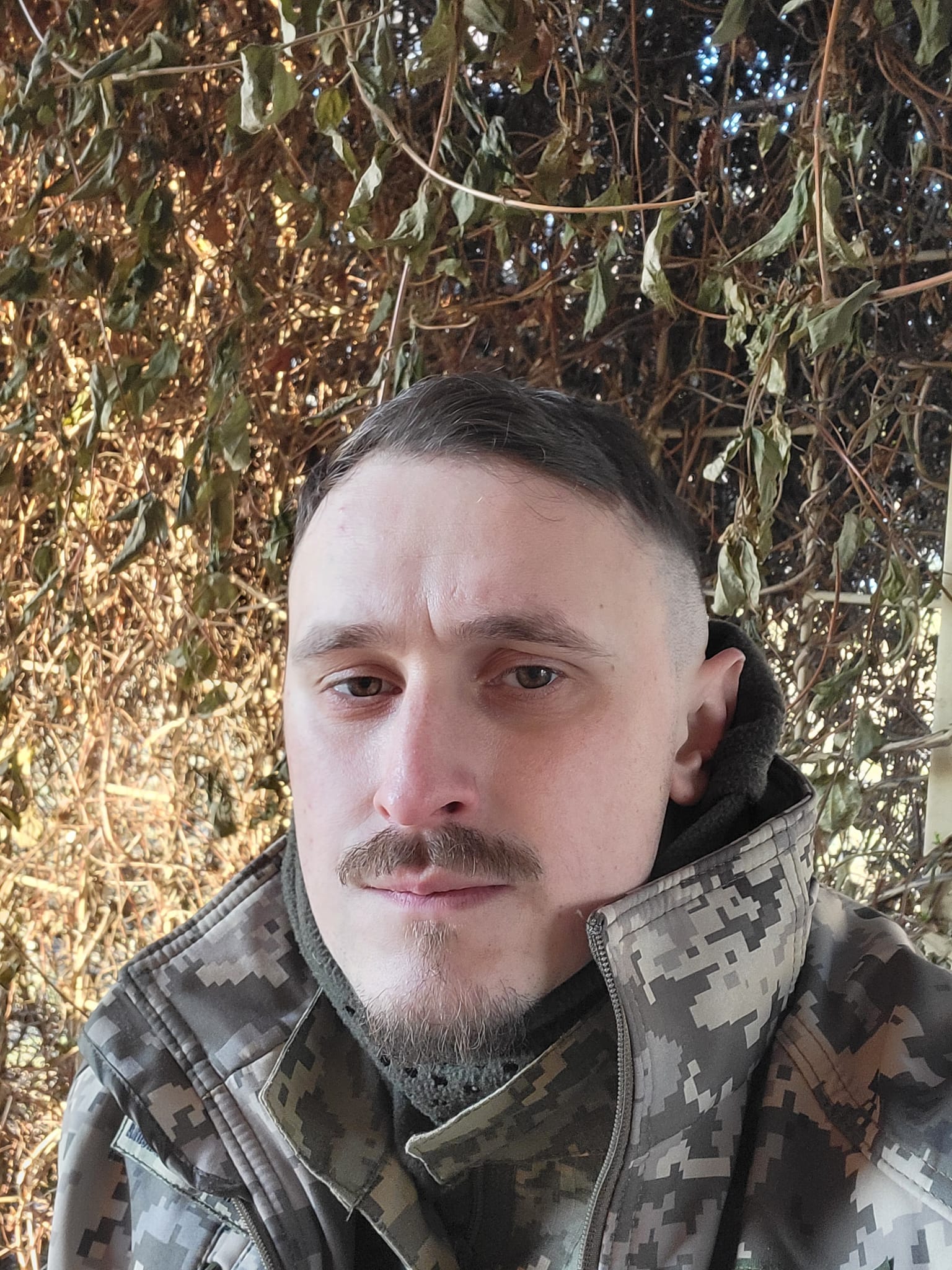
Valentyn Havryliuk is a veteran of the Russian-Ukrainian war and a volunteer of the 81st Separate Slobozhanska Airmobile Brigade of the Air Assault Forces of the Armed Forces of Ukraine. He is a combat veteran who sustained a severe injury. Today, he works as a career consultant for veterans, an art therapist, and an ambassador for accessibility. We spoke with Valentyn to learn how he returned to civilian life and why every veteran can choose to look for opportunities rather than barriers.
What did the war change in your life?
The war shattered everything. My previous life was completely destroyed. But looking back from where I stand now, it is good that it broke apart. I didn’t like that life, and I didn’t like who I used to be as a person. Now I like myself more. Getting back on my feet was difficult—both physically and mentally. What should I do, how should I move forward, and where should I go next?
How did your transition from military service to civilian life take place?
Before the war, I was a decorative artist and created escape rooms. I went to war as a volunteer and served as a senior sapper. During a mission, I sustained a severe injury to my left leg. I went to Germany for treatment and underwent 32 surgeries to restore the limb. For nine months, I used a wheelchair to get around.
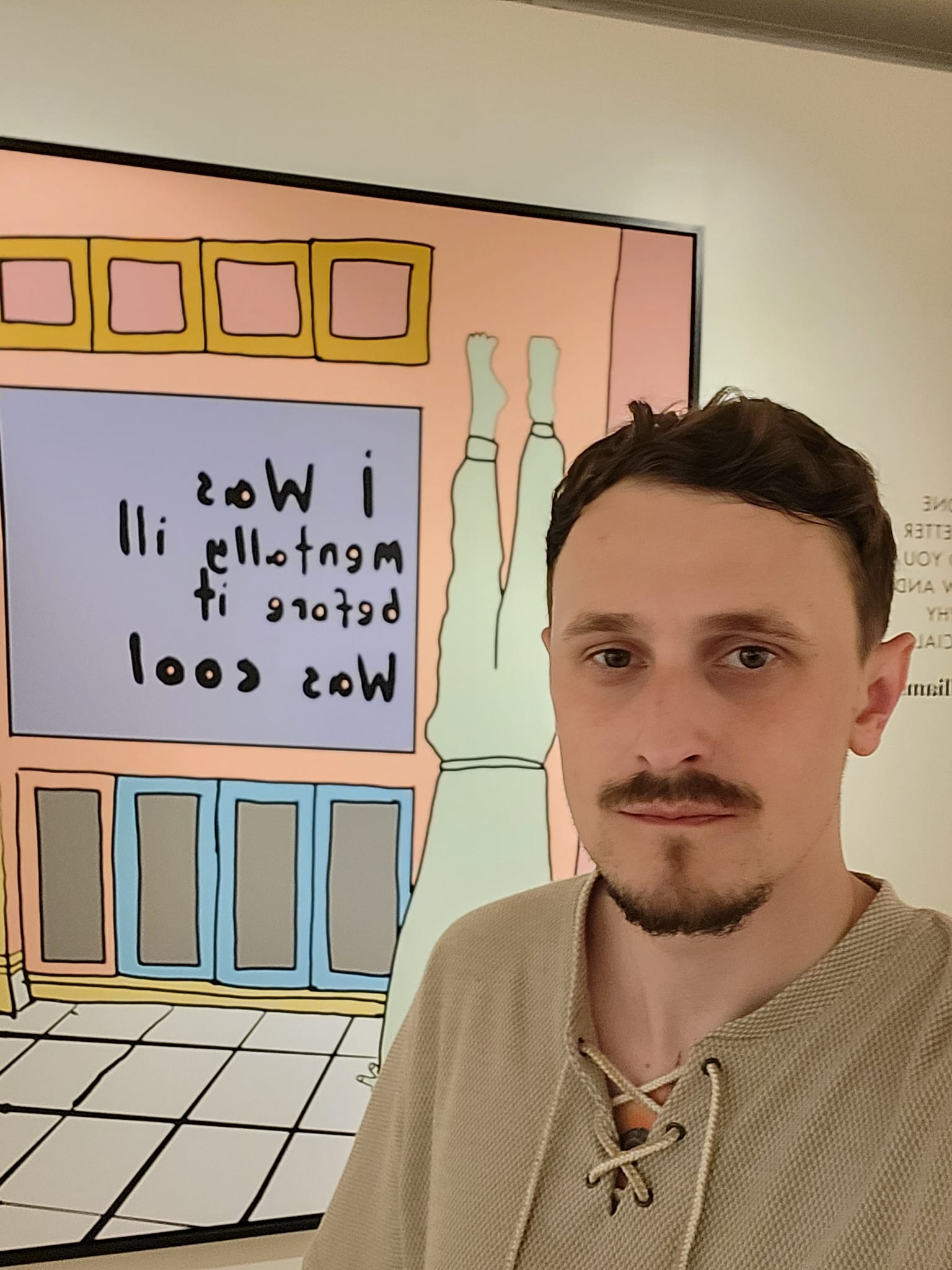
And there, in Cologne, I saw what accessibility truly means and how it works. That is why this topic is important to me. I would like things to be the same here as they are abroad, so that everything is convenient for everyone. And it seems to me that making things physically “accessible” is probably easier than changing mindsets and educating people - especially the older generations.
Now I am developing the LAMA art therapy studio in Chernivtsi. I wanted it to be accessible for wheelchair users, and it turned out to be a challenge to find such a space. But we did find one.
We are not a workshop; we are an art therapy studio. Our main distinction is that we do not give you a ready-made product. We do not gather a group of people and say that today we will do some kind of fluid art and call it art therapy. No—we explore a person’s request, analyze what you truly need at this moment, and provide what is necessary. Art therapy does not cure, but it always soothes.
You are one of the first graduates of UNIT 6.0, a program for veterans. What was your journey in the project like?
Thanks to the course, I came back to life because I found my people. After returning, I had no one to communicate with here: the civilian friends who had stayed behind drifted away - it was difficult for me to connect with them. We could not find common ground, and there were no fellow soldiers here. But thanks to the knowledge I gained during the training, I now have my own path. It is difficult but it is meaningful to me. Career counseling is not only a profession for a specialist working somewhere on the market; it is also extremely valuable for the individual themselves.
.jpeg)
Why is career counseling more important for veterans now than ever before?
Our labor market is currently experiencing a shortage of careers and opportunities. A vast number of soldiers are still in hospitals and are only in the process of being discharged from service. I assume that in about six months there will be around one hundred thousand veterans with disabilities in Ukraine. They went to war when everything here was different. Now they are returning, and it is also a new experience because everything has changed. A career consultant can support them in discovering their new selves.
What does career counseling give a veteran?
We shift the focus of attention. We do not concentrate on what we cannot do, we look at what opportunities you have. And I will teach you how to find these opportunities. Then we focus on the veteran as a person and on what he wants. We do not begin with a resume. We do not even analyze the labor market in the first sessions. We analyze the person to find what they truly enjoy.
When we discover what they enjoy, only then do we work on the resume, on LinkedIn, and on the job search. The right choice at a certain moment in life makes it possible to truly enjoy life and to take from it what a person should have. In fact, we live in a good world. I have found my path. What I was taught during the training and what I should do with clients, I first did with myself. That is why I see prospects, I know what I will be doing in five years. I have a plan, I follow it, and it is a wonderful feeling.


.svg)
.svg)
.svg)
.svg)

.svg)
.svg)
